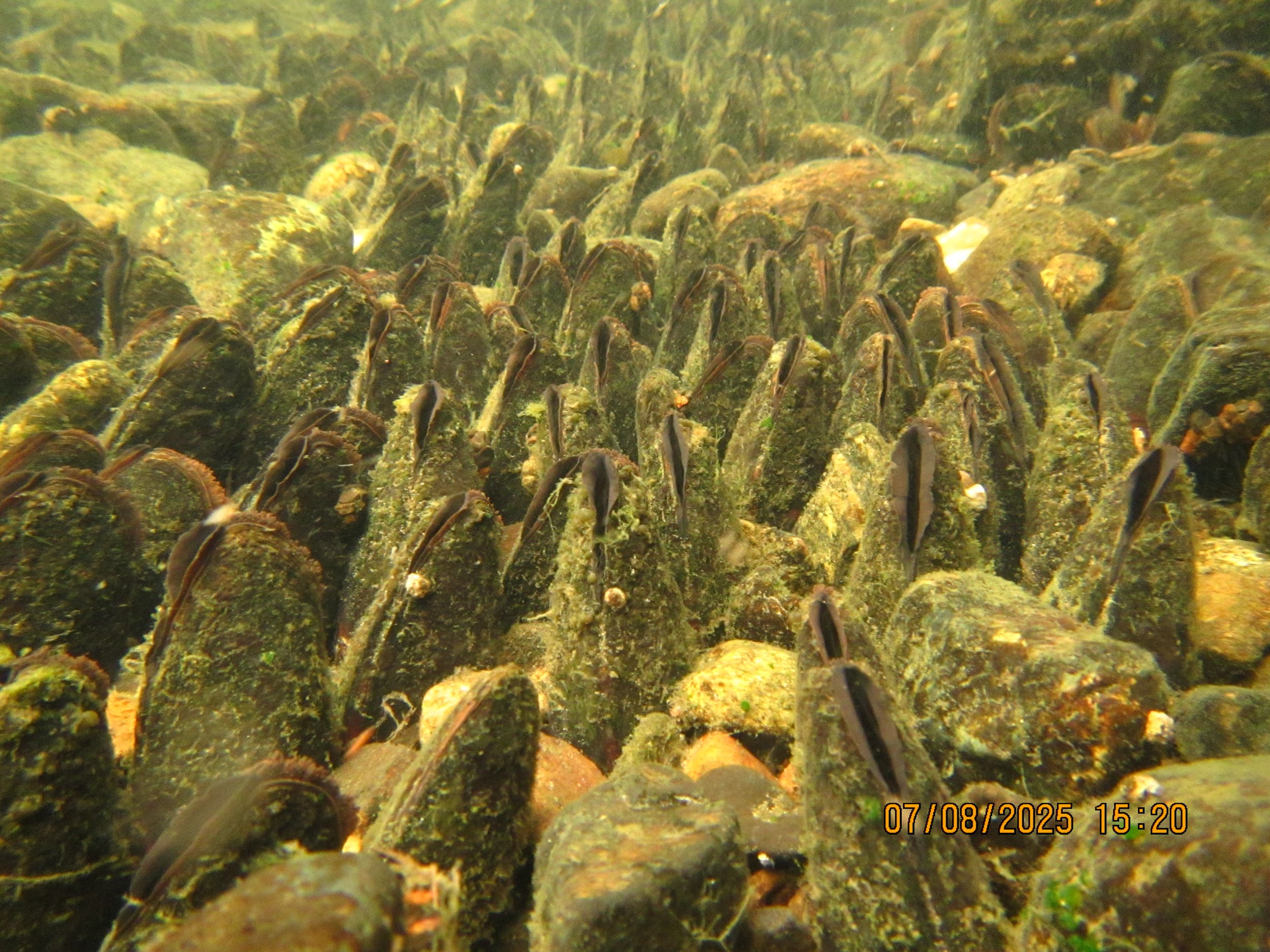
Freshwater mussels and more…
Over 15 years of experience working with freshwater mussels, aquatic conservation, restoration, and biological sciences.
Read more about mussels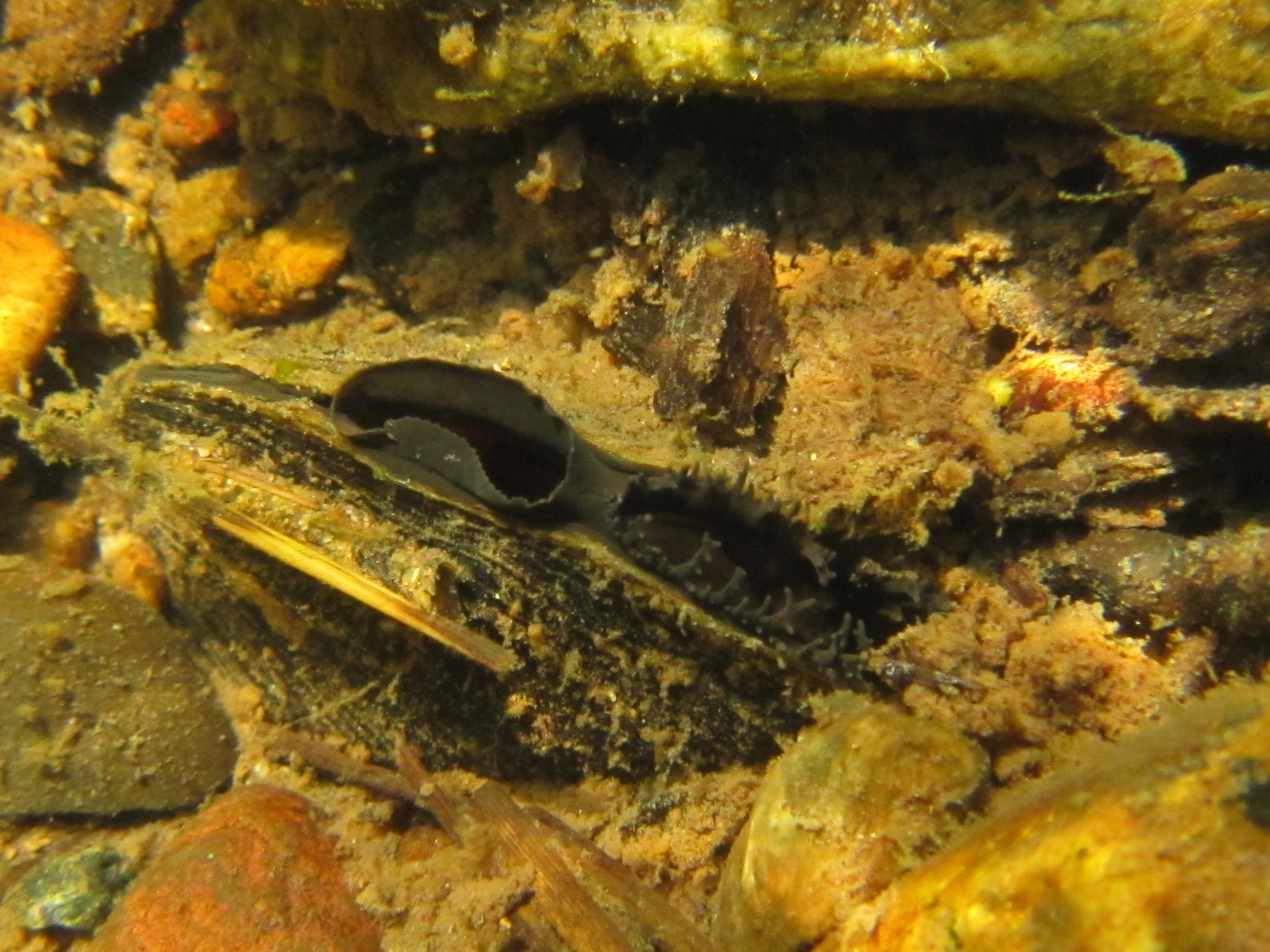
The humble freshwater mussel: the Liver of the River
Freshwater mussels are nature’s unsung heroes. Tiny but mighty — freshwater mussels are the original water filters, cleaning rivers by siphoning out microorganisms, contaminants, and pollutants. When they thrive, water quality and environmental conditions improve for all.
-
Freshwater mussels are among the longest-lived animals in our rivers, with many species living for decades — and some for more than a century. Like old-growth forests, healthy mussel beds develop slowly over time and provide stability, structure, and resilience to river ecosystems.
Their biology is deeply intertwined with fish and flowing water. Mussels begin life as microscopic larvae that must temporarily attach to specific host fish in order to survive and disperse. This intricate relationship is the result of millions of years of co-evolution and links the health of mussels directly to the health of native fish populations and connected river systems.
As adults, mussels live partially buried in river sediments, where they act as ecosystem engineers. By filtering water, they remove excess algae, sediment, and organic matter, improving water clarity and quality. Their shells and burrowing behavior help stabilize streambeds, reduce erosion, and create habitat for insects, fish, and other aquatic organisms.
Because mussels grow slowly and live so long, they are especially sensitive to changes in water quality, stream flow, and habitat disturbance. Their presence (or absence) tells an important story about river health. Understanding mussel biology helps guide restoration efforts that support not just mussels, but entire aquatic communities and the people who depend on healthy rivers.
-
Freshwater mussels are ecological powerhouses — benthic engineers whose activities shape the very health of rivers and streams. As filter-feeders, mussels siphon suspended particles from the water column, including algae, bacteria, and organic matter, and transform those materials into energy, tissue, shells, and nutrient-rich deposits on the streambed. This biofiltration improves water clarity, reduces turbidity, and helps regulate nutrients like nitrogen and phosphorus that can otherwise fuel harmful algae blooms.
Because mussels digest only a portion of what they filter (usually only around 20%) much of what they take in is released back into the environment as feces and pseudofeces. These biodeposits enrich sediments and become food and habitat for microbes, invertebrates, and bottom-dwelling organisms, effectively linking the water column to the benthic world. This process boosts benthic productivity and nutrient cycling, supporting everything from algae to aquatic insects and on up the food web.
Mussels also influence physical habitat: their shells add structure to riverbeds and create microhabitats used by other species, while their burrowing and sediment mixing oxygenate substrates and help stabilize sediments. These combined functions make mussel beds hotspots of biodiversity and ecosystem activity.
In river restoration projects aimed at improving conditions for salmonid and other fishes, preserving existing mussel populations can enhance ecosystem services (from water purification and nutrient retention to habitat complexity and food web support) contributing to healthier rivers, more resilient aquatic communities, and improved conditions for fish and other wildlife.
-
Freshwater mussel reproduction is one of the most complex and specialized life cycles in aquatic ecosystems. Most species reproduce by releasing sperm into the water column, which is then drawn in by females during normal feeding. Fertilized eggs develop inside the female’s gills, where they are brooded and protected, sometimes for months, before being released as microscopic larvae called glochidia.
Glochidia cannot survive on their own. Instead, they must attach to the gills or fins of specific host fish, where they temporarily encyst and undergo a critical transformation. This strategy allows mussels to disperse throughout river networks by using fish movement, including upstream migration. Each mussel species is adapted to one or a small group of host fish, linking successful reproduction directly to healthy native fish populations and connected rivers.
After completing this temporary parasitic phase, juvenile mussels drop off the host fish and settle into the riverbed. Survival at this stage depends on suitable sediment, stable streamflows, oxygenated substrates, and clean water. Mortality is high during early life stages, which makes mussel reproduction especially sensitive to habitat disturbance, altered flows, barriers to fish passage, and declines in native fish.
Because mussels reproduce slowly and require specific conditions at every stage of their life cycle, disruptions to reproduction can prevent populations from sustaining themselves. Understanding mussel reproduction is critical for conservation and restoration efforts, including protecting host fish, reconnecting rivers, and supporting propagation and reintroduction programs.
-
Freshwater mussel restoration focuses on rebuilding self sustaining populations and the ecological functions they provide within river systems. Because mussels are long lived and slow to reproduce, successful restoration requires long term planning and an understanding of habitat conditions, water quality, stream flow, and fish communities. Restoration efforts often begin with identifying suitable reaches where physical habitat, sediment conditions, and connectivity can support mussel survival across all life stages.
A critical component of mussel restoration is restoring the biological connections between mussels and their host fish. Reestablishing native fish populations and improving fish passage allows mussels to reproduce, disperse, and recolonize historic habitats. In some cases, active propagation and reintroduction of juvenile mussels are used to accelerate recovery in areas where natural recruitment is limited.
Restored mussel populations can play an important role in improving river health. As mussel beds develop, they enhance benthic processing, increase nutrient retention, stabilize sediments, and improve water quality through biofiltration. These ecosystem services can help strengthen food webs, improve habitat for fish and invertebrates, and increase the overall resilience of river systems.
Because mussels integrate environmental conditions over decades, their recovery is both a measure of restoration success and a contributor to long term ecosystem function. Mussel restoration supports healthier rivers for aquatic life, cultural resources, and communities that depend on clean, functioning waterways.
Mussels of the Western US
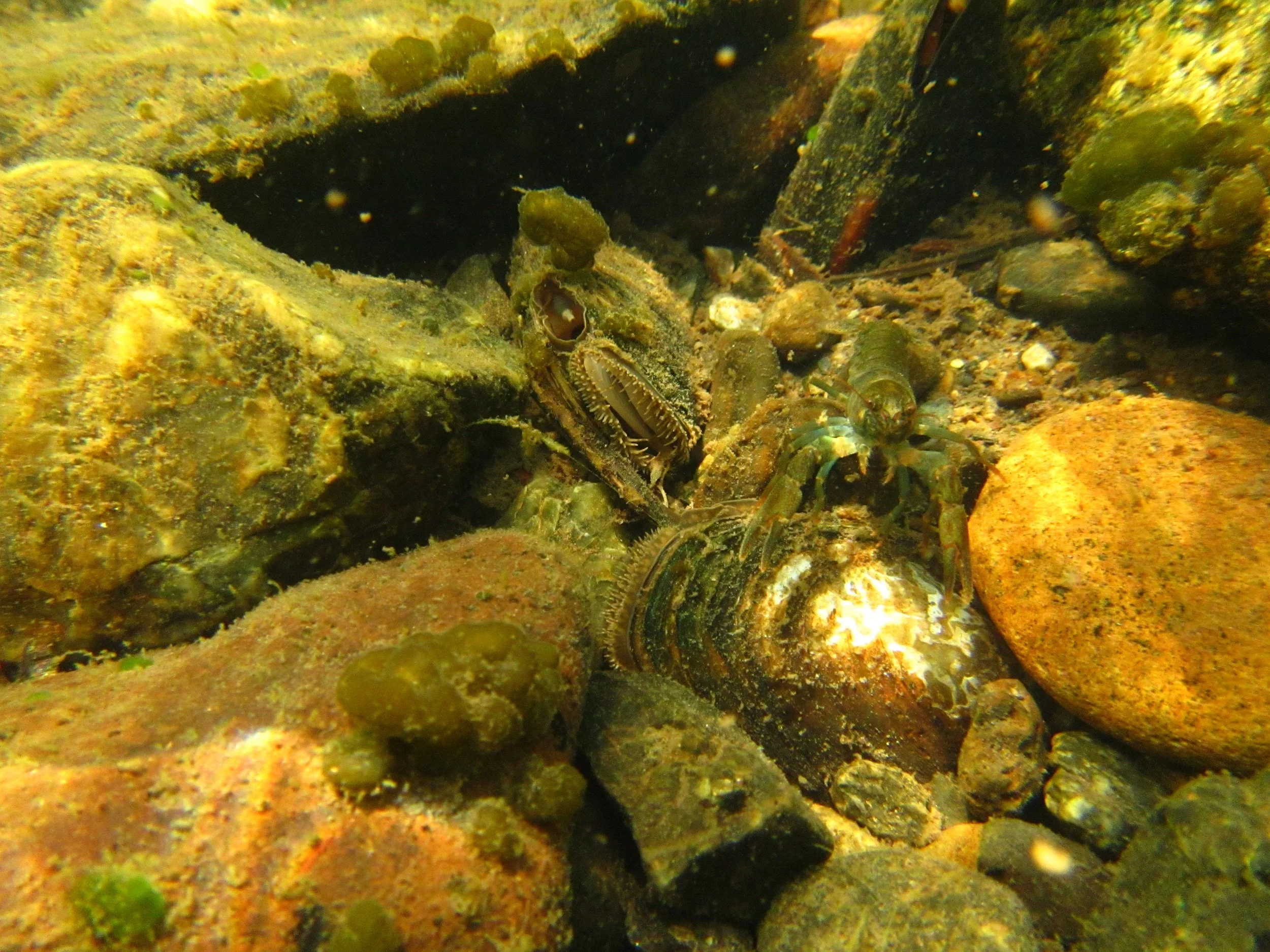
Western Floater Mussels
Resilient, tolerant, generalists
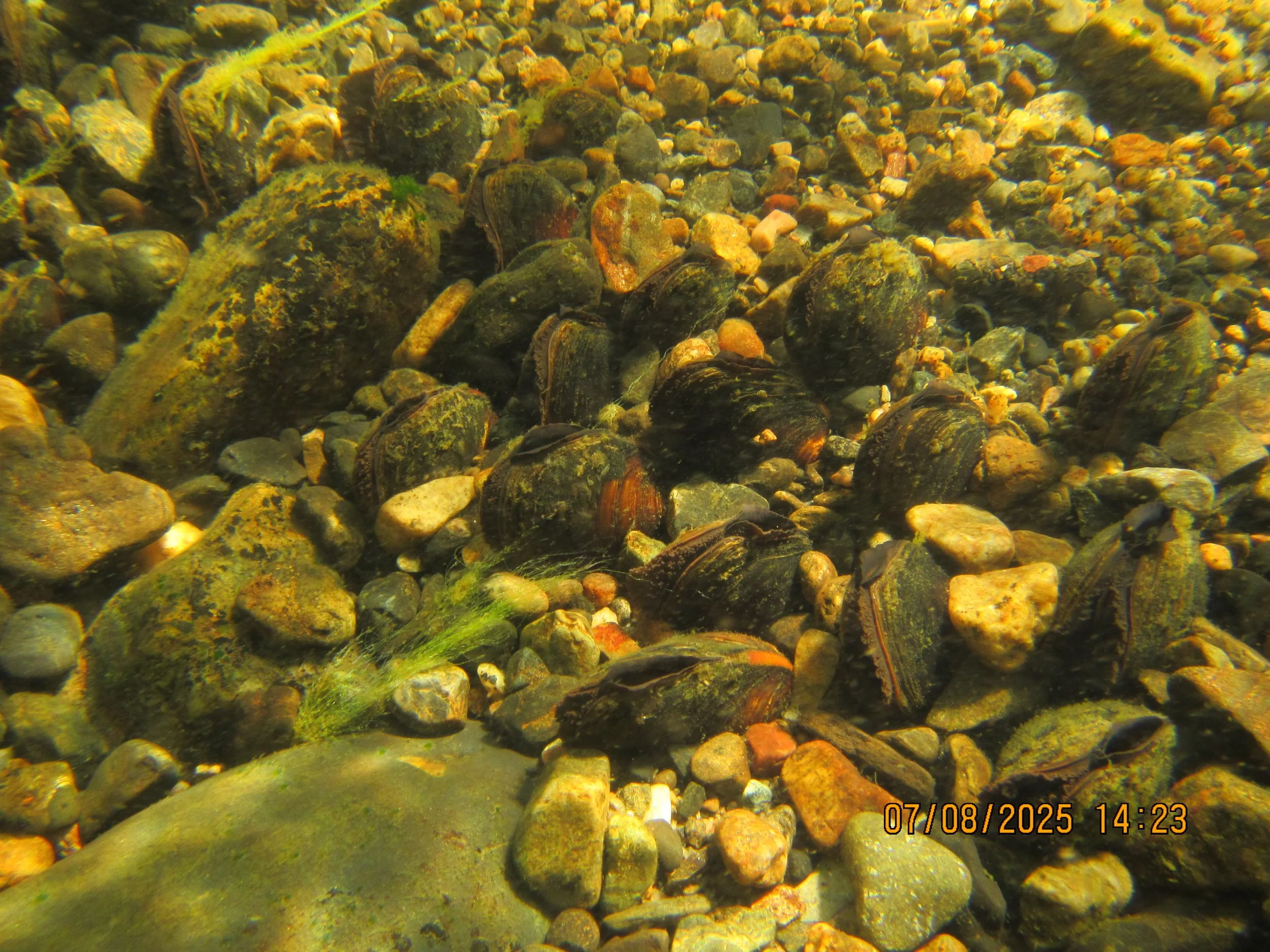
Western Pearlshell
Sensitive, picky, specialists
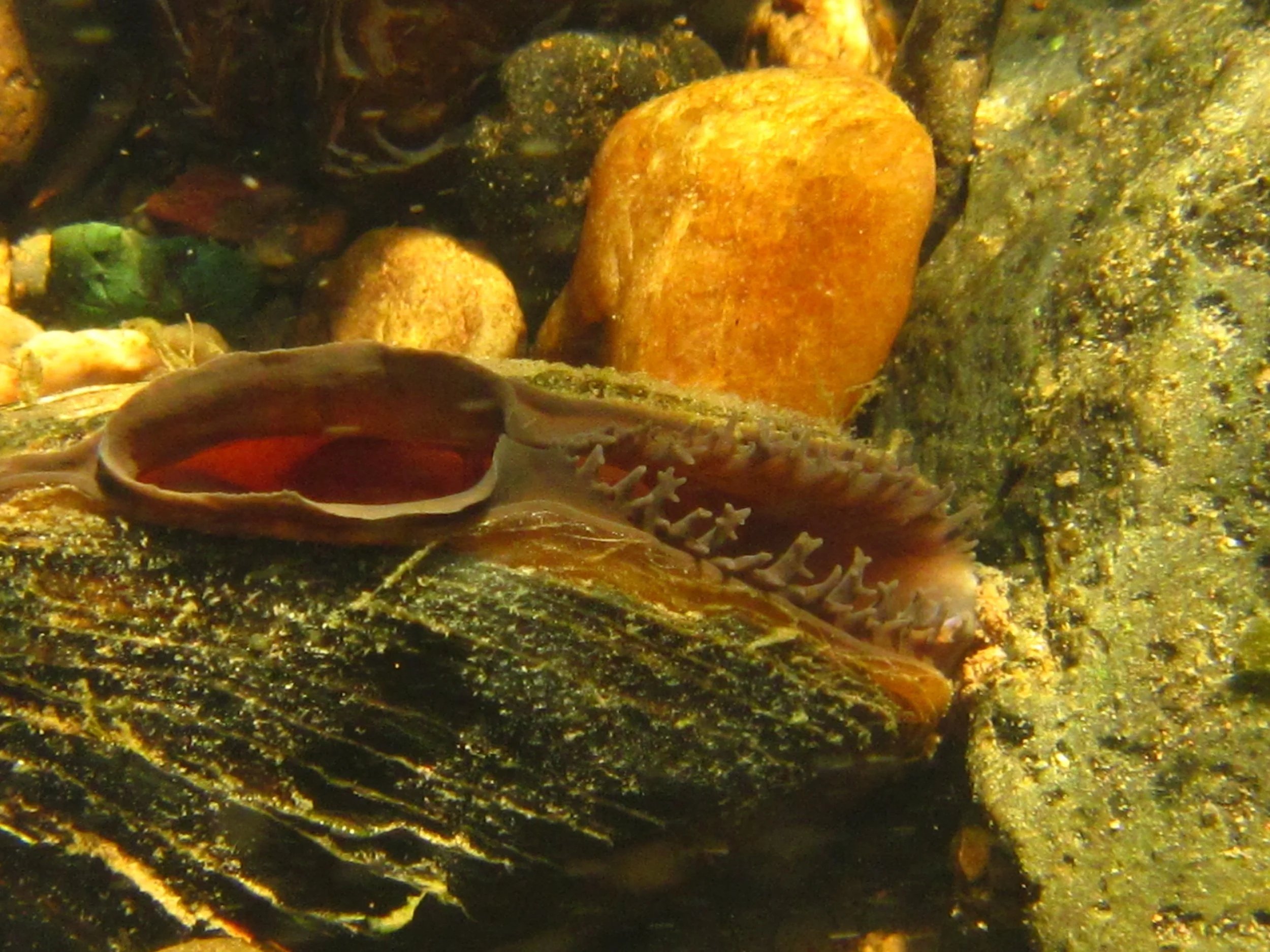
Western Ridged Mussel
Declining, specific, specialists
Let's Chat Mussels...If you are dying to know more about why mussels are dying, reach out! Let’s talk mussels!